
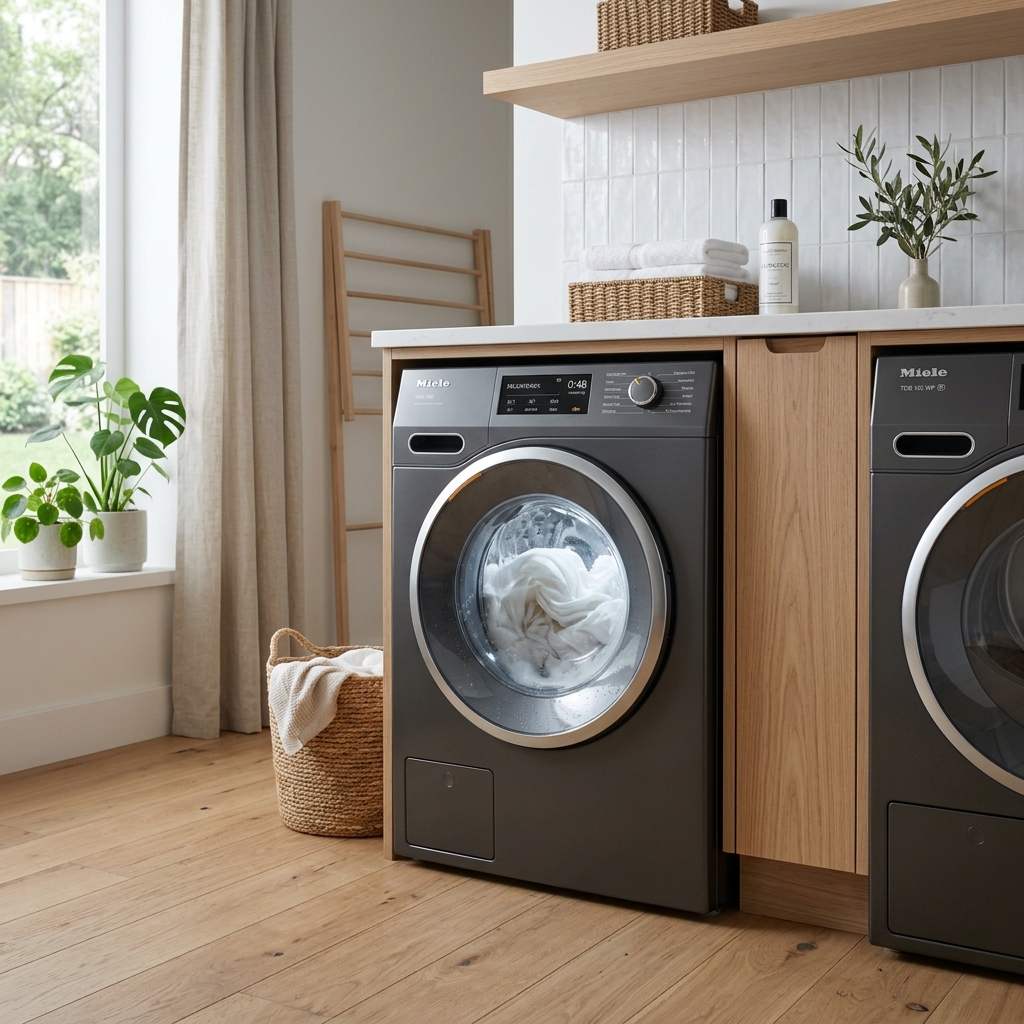
Can You Machine Wash Curtains? Everything You Need to Know
In our busy modern lives, convenience is highly valued. When it is time to clean your dusty curtains, popping them into the washing machine seems like the quickest and most logical solution. However, washing machines can be harsh, and improper machine washing can lead to ruined fabrics, broken seams, and significant shrinkage. In this comprehensive guide, we explain everything you need to know to machine wash your curtains safely.
1. Decode the Curtain Care Labels First
The absolute first step is to locate and read the care label on your curtains. Curtain manufacturers place these labels to provide specific guidance on fabric tolerance. If the label explicitly states "Dry Clean Only," do not attempt to wash them in a machine. Water exposure, detergent chemistry, and mechanical spin action will cause natural fibers like silk, wool, and heavy brocade to shrink severely, bleed color, or lose their soft finish.
If the label indicates "Machine Washable" or is made from durable synthetic fibers like 100 percent polyester, nylon, or pre-shrunk cotton, you can safely proceed. When care labels are missing, which is common in older custom draperies, treat the curtains with extreme caution. Seek advice from a professional cleaner or stick to gentle hand washing to avoid structural damage.
2. Understand Fabric Blends and Machine Agitation
Modern curtains are frequently woven from complex fabric blends, combining natural and synthetic fibers to achieve specific textures and styles. Polyester-cotton blends, linen-polyester weaves, and rayon mixtures are highly common. While these blends are designed for durability, they react differently under the physical stress of machine agitation.
Pure synthetic fabrics like polyester are highly resilient and recover their shape easily. However, natural fibers blended within the weave are prone to friction-induced linting and fiber breakage. A standard aggressive wash cycle will cause the natural fibers to rub against the synthetics, creating unsightly pilling (tiny balls of fuzz) on the curtain surface. Using a gentle delicate cycle reduces this friction, ensuring that the blend components remain smooth and uniform throughout the cleaning process.
3. Prepare the Curtains for the Wash Cycle
You must never throw curtains directly into the washing machine without proper preparation. Take the panels down and examine them carefully. Remove all metal drapery hooks, plastic pins, rings, and heavy metal weights from the bottom hems. If left attached, these hard items can snag, rip, or puncture the delicate fabric during the cycle. They also present a serious risk of damaging your washing machine drum, resulting in expensive repair bills.
Once all hardware is removed, shake the curtains outdoors to release loose dust, lint, and cobwebs. This simple step keeps the wash water clean, preventing surface dust from turning into a muddy residue that can dull the curtain fabric during the wash.
4. Select the Correct Machine Settings
To protect your curtains from mechanical stress, you must use the gentlest settings available on your washing machine. Select the "Delicates," "Hand Wash," or "Gentle" cycle. These cycles feature slow wash speeds and minimal agitation, protecting the seams and delicate headers from tearing.
Always choose cold or lukewarm water. Hot water must be avoided, as it breaks down fabric fibers, fades colors, and causes natural fabrics to shrink. Additionally, use a mild, pH-balanced liquid detergent. Avoid using harsh powder detergents, bleaches, or fabric softeners. Fabric softeners can leave a thin coating on the fibers that actually attracts dust and airborne grease once dry, causing the curtains to become dirty faster.
The Danger of the Spin Cycle
Set the final spin speed to the lowest setting possible, or eliminate the spin cycle entirely. High spin speeds compress the fabric against the drum, creating deep, sharp wrinkles that are incredibly difficult to iron out. A slow spin or drip-dry approach allows the fabric fibers to remain relaxed, ensuring a smooth, elegant drape once rehung.
5. Machine Types: Front Load vs Top Load Washers
The mechanical configuration of your washing machine significantly impacts the safety of your curtains. Front-loading machines are highly recommended for large textiles because they utilize a tumbling action that relies on gravity, which is exceptionally gentle on delicate seams. They also lack a central agitator, providing a larger, unobstructed drum space where the curtains can expand without stretching.
Top-loading machines with a central agitator post are far more hazardous. The fabric panels can easily wrap around the agitator column during the wash, causing severe localized stretching, tearing, or broken header threads. If you must use a top-loader, choose the absolute lowest water agitation setting, fill the drum with plenty of water to allow the panels to float, and monitor the cycle closely to ensure they do not become entangled.
6. Manage Load Capacity and Balance
Curtains are deceptive; they may feel light when dry, but once saturated with water, they become incredibly heavy and bulky. Never overload your washing machine drum. Wash only one or two panels at a time, depending on the drum capacity. Overloading prevents the curtains from moving freely, leading to poor cleaning performance, uneven detergent distribution, and excessive fabric friction.
An overloaded drum can also become unbalanced during the spin cycle, causing the washing machine to vibrate violently, which can damage the internal motor and suspension. Keep the load small, balanced, and gentle to achieve a thorough, safe clean.
7. The Importance of Air Drying and Iron Prep
Never place your washed curtains in a tumble dryer. The heat and friction of a dryer will cause immediate shrinkage, distort the header buckram, and ruin any thermal linings. Instead, remove the curtains from the machine immediately after the cycle ends to prevent creases from setting. Drip dry the panels in a shady, well-ventilated space, or hang them back on their rods while slightly damp. The natural pull of gravity will smooth out minor wrinkles, ensuring your window treatments hang beautifully and look fresh.
If the fabric still shows minor wrinkles once dry, you can perform a gentle iron touch-up. Set your iron to the recommended temperature for the specific fabric, and iron the panels on the reverse side while they are slightly damp. Always use a clean pressing cloth between the iron and the curtain to prevent heat sheen, ensuring that the decorative finish remains pristine and protected.